
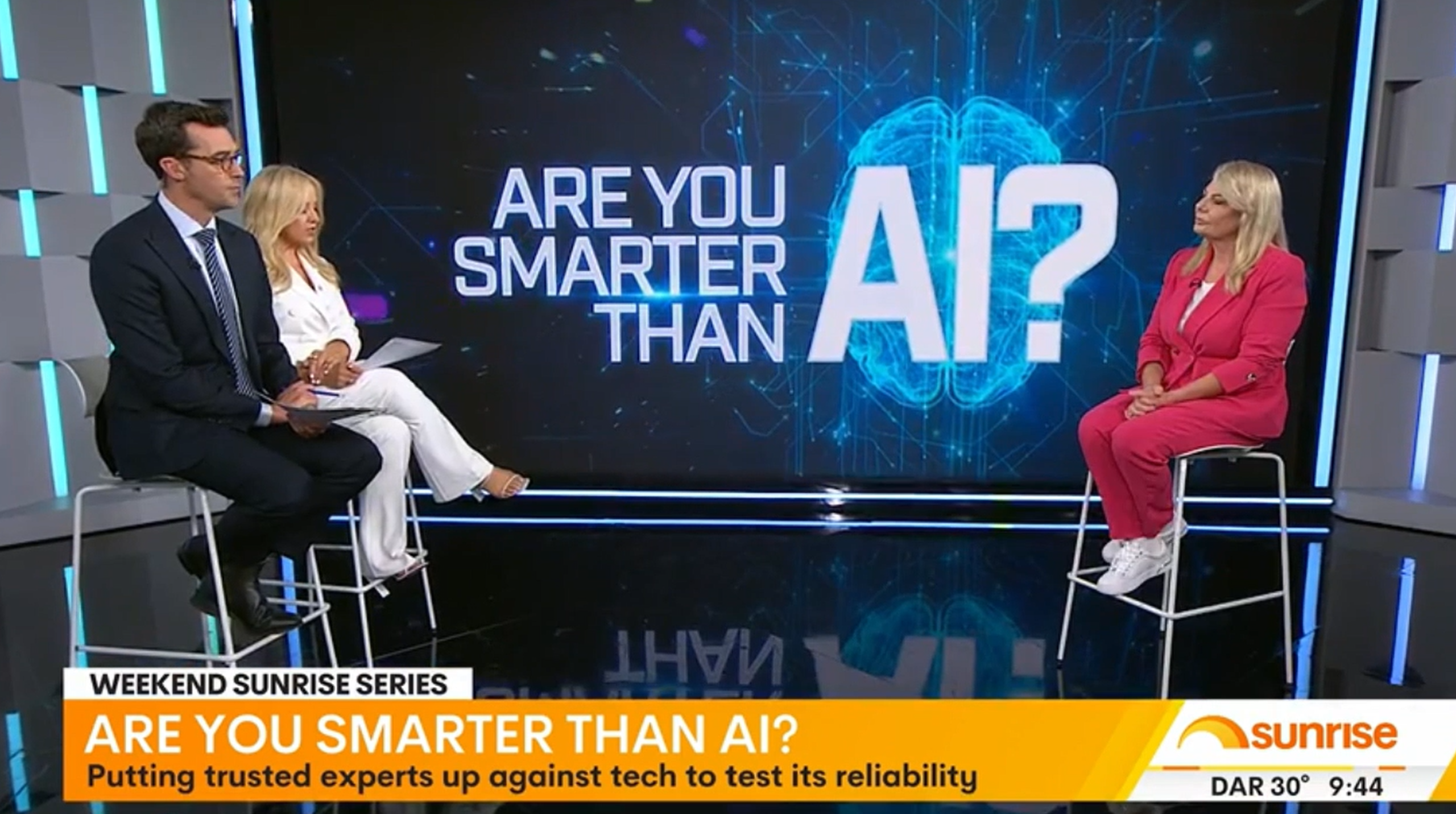
Security expert Gina Field joined Are You Smarter Than AI to assess whether advice from leading artificial intelligence platforms was accurate, practical and safe to follow. The discussion covered CCTV security, online privacy, protecting an unoccupied home and affordable ways to reduce the risk of burglary.
Gina confirmed that internet-connected CCTV cameras can be accessed by hackers when they are protected by weak passwords or running outdated software. She stressed that the greatest vulnerability is often poor security practice rather than sophisticated hacking. Homeowners should use strong, unique passwords, avoid easily guessed personal details and regularly update their cameras, routers and related software.
The interview also examined how AI platforms may store conversations. Gina advised users to review their privacy and data-control settings and avoid entering confidential, medical, legal, financial or personally sensitive information. Even when chat history can be cleared, information may still be copied, saved or shared, making careful judgement essential whenever using an AI service.
For home security, Gina supported practical measures such as making a property appear occupied, arranging for mail to be collected, locking doors and windows, keeping valuables out of sight and delaying holiday posts until returning home. Budget-friendly improvements can include securing door hinges, adding pins to sliding doors and windows, installing motion-activated or solar lighting, locking side gates and protecting electrical boxes so alarms and cameras cannot be easily disabled. Her overall message was that AI can provide useful guidance, but it should be combined with expert judgement and strong, basic security habits.